
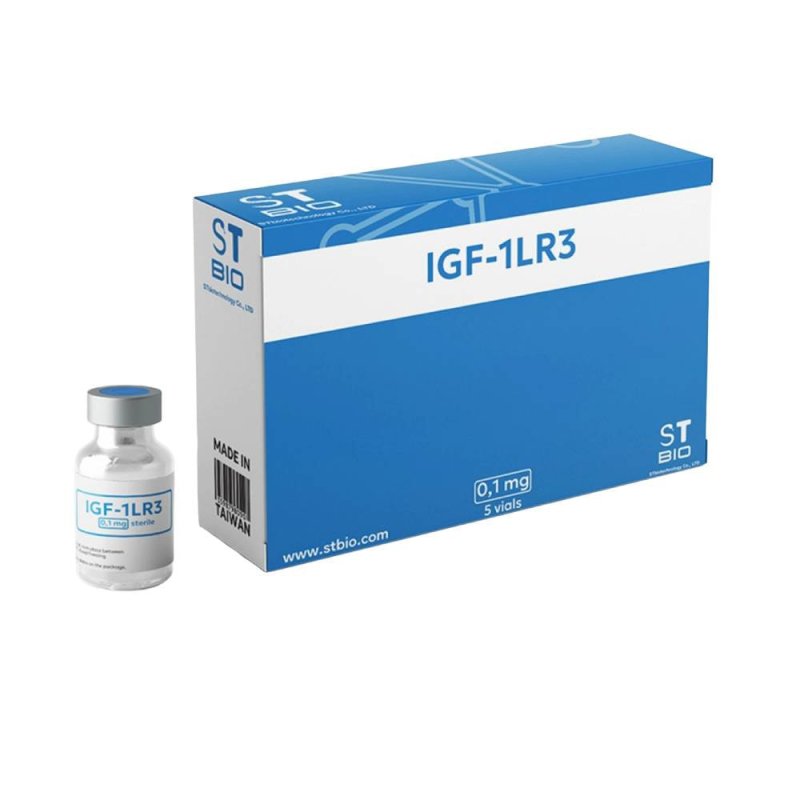
Define IGF-1LR3 1 mg ST Biotechnology and explain its general purpose
IGF-1LR3 1 mg ST Biotechnology is a synthetic analog of insulin-like growth factor-1 (IGF-1), designed to enhance growth promotion and tissue repair in a variety of biological contexts. This compound is particularly notable for its modified structure, which increases its half-life and bioavailability compared to natural IGF-1. Developed with advanced biotechnology methods, IGF-1LR3 serves a crucial role in both research and clinical applications, especially in fields such as endocrinology, sports medicine, and regenerative therapy.
The general purpose of IGF-1LR3 is to facilitate cellular growth and regeneration by mimicking the actions of the natural growth factor. It stimulates growth hormone secretion, promotes muscle hypertrophy, and enhances recovery processes. As a vital component in anabolic pathways, IGF-1LR3 is sought after by athletes and bodybuilders looking to maximize muscle gains and improve recovery times. Moreover, it has potential therapeutic applications in treating growth deficiencies and conditions that require enhanced healing and muscle regeneration.
Describe how IGF-1LR3 1 mg ST Biotechnology fits into broader treatment strategies or usage approaches
IGF-1LR3 1 mg ST Biotechnology is integrated into various treatment strategies and usage approaches, serving a dual role in both athletic enhancement and therapeutic applications. From a clinical perspective, it is often utilized in conjunction with growth hormone (GH) therapy to maximize the effectiveness of treatment in patients experiencing growth delays or muscular atrophy. In such cases, IGF-1LR3 enhances the biological actions of GH, providing a synergistic effect that promotes overall growth and metabolic health.
For athletes and fitness enthusiasts, IGF-1LR3 facilitates improved training outcomes and physical performance. Many users incorporate it into a comprehensive regimen that may include other supplements, lifestyle adjustments, and training programs aimed at muscle development and recovery. It is essential to note, however, that the use of IGF-1LR3 in sports is often under scrutiny due to its classification by numerous sports organizations as a performance-enhancing substance.
The compound can also be considered as part of a broader research strategy, aimed at elucidating the mechanisms underlying cellular growth and differentiation. Researchers leverage IGF-1LR3 to explore its effects in various models, ranging from cell cultures to in vivo studies, contributing to a better understanding of its therapeutic potentials in regenerative medicine. As such, the application of IGF-1LR3 spans across multiple domains, emphasizing its versatility in both experimental and practical scenarios.
Explain the advantages users typically expect from this preparation
Users of IGF-1LR3 1 mg ST Biotechnology anticipate a range of advantages that can significantly enhance both performance and recovery processes. The expectations can be summarized in the following key advantages:
Enhanced Muscle Growth: IGF-1LR3 promotes muscle hypertrophy by stimulating pathways that facilitate protein synthesis and increase muscle cell proliferation.
Improved Recovery: By accelerating the healing processes in muscle and connective tissues, IGF-1LR3 reduces recovery time after intense workouts or injuries.
Bigger Gains in Strength: Users often report an increase in strength levels as a result of greater muscle mass and improved recovery times.
Fat Loss Support: Some users find that IGF-1LR3 can help in fat oxidation during workouts, contributing to better body composition.
Increased Endurance: The compound might enhance metabolic activity, leading to improved stamina and endurance during training sessions.
These advantages collectively make IGF-1LR3 an attractive option for individuals looking to achieve specific fitness goals or improve their physical health. However, it is crucial to manage expectations and approach its usage with a sound understanding of individual health needs and potential effects.
Discuss risks, precautions, and contraindications for use of this preparation
While IGF-1LR3 1 mg ST Biotechnology offers several potential benefits, it is important for users to be aware of the associated risks, precautions, and contraindications for its use. The following considerations are paramount for responsible consumption of this compound:
First and foremost, an extensive evaluation of one's medical history should be conducted prior to commencing treatment. Individuals with a history of cancer, diabetes, or other hormonal disorders should approach IGF-1LR3 with caution, as it can influence insulin sensitivity and cell proliferation.
Secondly, users often experience side effects such as joint pain, headaches, and hypoglycemia. These adverse effects can be significant, particularly if dosing is not carefully monitored or if IGF-1LR3 is taken without medical supervision.
Moreover, the use of IGF-1LR3 is scrutinized in many competitive sports, leading to possible disqualification or sanctions. Users must be aware of the legal implications and regulatory guidelines pertaining to performance-enhancing substances in their respective sports.
Lastly, there may be a potential for developing an overreliance on such compounds, which can lead to neglecting foundational aspects of health, such as diet, exercise, and mental well-being. A balanced approach to fitness and performance is always preferable.
Conclude with guidance on how users should approach understanding and using IGF-1LR3 1 mg ST Biotechnology responsibly
To use IGF-1LR3 1 mg ST Biotechnology responsibly, users should prioritize education, safety, and thorough consultation with healthcare professionals. Before initiating any form of supplementation, individuals must assess their health status, nutritional needs, and fitness goals to ensure that IGF-1LR3 aligns with their objectives.
Engagement in responsible sourcing and understanding the product—its formulation, potential interactions, and proper dosing—is essential for minimizing risks. A thoughtful approach includes consideration of combining IGF-1LR3 with a balanced diet, a structured training regimen, and adherence to recovery protocols to enhance overall well-being.
Additionally, users should remain informed about ongoing research and evolving guidelines surrounding IGF-1LR3 to make educated decisions about its use. By fostering a comprehensive understanding and a responsible attitude towards supplementation, individuals can optimize their experience with IGF-1LR3 1 mg ST Biotechnology and work towards their health and performance goals effectively and safely.
| Features | |
| Active substance | Peptides |
| Active ingredient, mg | 1 |
| Release form | Vial |
| Manufacturer | ST Biotechnology |
| Packing | Vial |